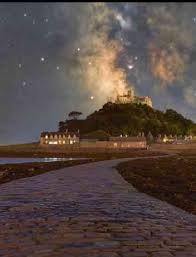
St. Michaels is made for your camera, tight harbor curves, historic brick, and light that rolls off the Miles River like silk. This photographer’s map zeroes in on the most Instagrammable spots in St. Michaels, plus the angles and timing that make them sing. If you’re planning a day trip or a weekend with a memory card to fill, you’ll leave with a gallery that feels both classic Chesapeake and distinctly yours.
Waterfront Icons Along The Harbor And Miles River
Harbor Boardwalk And Honeymoon Bridge Vantage
Start where the boats whisper in and out of the basin. From the harbor boardwalk, you get leading lines, the weathered planks pulling you toward masts and sky. A few steps east, the little footbridge locals call Honeymoon Bridge frames the inn-side harbor in a clean arc. It’s a natural foreground for sunrise and blue hour posts. Compose low with the railing sweeping in from a corner, and you’ll stretch the scale of the scene without losing intimacy. On calm mornings, shoot reflections with a polarizer half-turned so you keep just a hint of sheen on the water.
If traffic picks up, go vertical. A portrait crop isolates the bridge and two or three clustered masts, and it reads beautifully on mobile without losing context.
The Crab Claw Docks And Working Marina Details
Walk toward The Crab Claw and the working slips to find what your feed craves: texture. Coils of line, red-painted trap buoys, chalky pilings, and the hand-lettered “No Wake” signs make punchy, close-up frames. Step back for a wider shot when skipjacks tie up, use a 35mm or 40mm for a natural perspective that keeps horizon bowing to a minimum.
Golden hour is your friend here. The low angle builds contrast into rope fibers and flake-painted hulls. Watch for crews sorting gear: candid, respectful frames of everyday marina rhythms bring more story than any posed selfie. Ask first if a face is prominent, offer a smile, and you’ll often get a nod.
Miles River Lookouts Near The Harbor Inn Jetty
The jetty near the St. Michaels Harbour Inn gives you a long, clean sightline down the Miles River. In late afternoon, the breeze stacks small waves into bright facets, perfect for silhouettes of a single mast or gull. On flat days, go symmetrical: horizon bisecting the frame, jetty stones as arrows. A 70–200mm compresses river traffic, sails, markers, shore trees, into layered bands that look painterly on Instagram without heavy editing.
Chesapeake Bay Maritime Museum Must-Shoots
Hooper Strait Lighthouse Angles And Night Glow
The star of the Chesapeake Bay Maritime Museum, the screw-pile Hooper Strait Lighthouse, is almost too photogenic. Avoid the straight-on postcard. Instead, angle from the boardwalk so the lighthouse roof cuts the sky diagonally and the hexagonal footprint is obvious. Include a sliver of railing or a cleat in the foreground for depth.
At blue hour, the lantern’s warm glow pops against cobalt skies. If you can, steady your camera on a post and shoot a longer exposure: the water softens into glass, and the beacon feels cinematic. Winter evenings are especially crisp.
Skipjacks, Boatshop, And Working Boatyard Textures
Don’t miss the working boatyard. The living varnish, sawhorses, and half-framed planks in the Boatshop add honest grit to your set. When the skipjack ROSIE PARKS is in view, go low at the bow with a wide lens so the nameplate rides large in the foreground, then let the lines lift your eye up the mast.
Detail hunters: frame chipped paint, hand tools, and pencil marks on hull templates. These are the micro-stories that end up getting saved and shared.
Fogg’s Cove Piers And Waterman’s Wharf Perspectives
Fogg’s Cove offers repeating pier geometry and a calmer pocket of water. Position yourself along Waterman’s Wharf so the piers run off-frame, creating rhythm. A high-contrast black-and-white works here on cloudy days, you’ll still get structure when color refuses to cooperate. Keep an ear out for school groups and tours: a brief pause often nets you a clean, people-free frame without any cloning later.
Historic Downtown Frames You Shouldn’t Miss
Talbot Street Storefronts, Signs, And Window Scenes
Talbot Street is your main drag for character. Early light rakes across carved wood signs and pressed-tin cornices. Shoot storefronts three-quarters on, not dead straight: the angle gives your image a sense of motion. Window reflections can layer sail masts over pastries or antiques in a single frame, tilt slightly to dodge your own reflection.
Look for negative space: a pale clapboard wall with a single navy script, or a brick facade punctuated by one bright door. Your grid will thank you for the breathing room.
St. Mary’s Square And Christ Church Brickwork
St. Mary’s Square is quietly theatrical, leafy canopy, white pickets, and sightlines that naturally vignette. Nearby, Christ Church serves brick that begs for side-light. You’ll notice the Flemish bond and hand-made irregularities when the sun brushes across at mid-morning or late day. Use a shallow depth of field to isolate cornerstone dates or iron latches, then pull back for a long, centered composition along the walkway.
Porches, Shutters, And Nautical Murals Off Main
Duck a block or two off Talbot and you’ll find porches with hanging ferns, blue-green shutters, and occasional nautical murals on carriage-house walls. Frame porches obliquely so the rails stack like a rhythm track. Ask before stepping onto any stoop: shooting from the sidewalk with a longer focal length keeps it respectful and flattering. Murals? Go square or 4:5 to eliminate parked cars and signage creep.
Green Spaces And Hidden Corners For Quiet Shots
Muskrat Park Gazebo And Harbor Line
Muskrat Park sits like a pocket viewpoint. Use the gazebo as a clean anchor and let the harbor line arc behind it. On foggy mornings, soft tones turn the scene into a watercolor. A quick pano with your phone stitches beautifully if you pivot slow and keep the horizon steady.
St. Michaels Nature Trail Boardwalks And Canopy
The Nature Trail’s boardwalk segments are tailor-made for leading lines. Midday, when the town is bright, the canopy here filters light into soft dapple that flatters portraits. If you’re shooting yourself, place the tripod low and walk into frame along the boards, instant depth, easy hero shot.
Perry Cabin Waterfront And Dock (Guest Access)
If you’re staying at the Inn at Perry Cabin, the private waterfront is a quiet miracle. Pre-sunrise, the dock lights skim the water and sail silhouettes stack against pastel skies. Keep it understated: a single piling, a coil of line, and the horizon. If you’re not a guest, enjoy the view from public vantage points nearby and the harbor paths, same river, still magic.
Planning, Access, And Photo Tips
Best Light By Season And Time Of Day
- Spring and fall: crisp air, long golden hours. Sunrise over the Miles River gives you pastel gradients: sunsets backlight masts into graphic shapes.
- Summer: dreamy haze, later blue hour. Plan harbor scenes for early morning to beat both heat and crowds.
- Winter: clear, punchy contrast. Night shots of Hooper Strait Lighthouse are at their best: bring gloves and a small hand warmer for batteries.
Aim for weekday dawns if you want empty frames on Talbot Street. For the maritime museum, mornings are quieter and the light wraps around the lighthouse without squint-inducing glare.
Tides, Reflections, Wind, And Weather Windows
Tide timing changes everything. On a still, high tide, reflections double the drama, especially along the boardwalk and Fogg’s Cove. On breezy afternoons, look for texture instead of mirrors: ruffled water suits black-and-white and tighter detail studies.
Check wind forecasts before banking on long exposures, anything over 12–15 knots will blur masts and leaves more than you want. After a rain, puddles on brick and pier boards make instant reflection pools. Cloudy bright? Perfect for storefronts and brickwork: you’ll keep colors clean and avoid blown highlights.
Respectful Shooting, Public vs. Private Access, And Minimal Kit
St. Michaels is friendly and lived-in. Sidewalks and public parks are fair game: porches, docks, and inn grounds may be private. Signs usually make it clear. When in doubt, ask, with a smile, and accept a no. The Town of St. Michaels site lists public parks and pathways if you want to double-check access before sunrise missions.
Keep your kit light so you can wander without fuss: one body, a wide-to-normal prime (24–40mm), and a short tele (85–135mm). A pocketable polarizer, microfiber cloth, and mini travel tripod or clamp cover 90% of situations. Start with these baseline settings and tweak on the fly:
- Harbor and reflections: ISO 100–200, f/5.6–f/8, 1/160s for handheld crispness: slower if you brace.
- Blue hour and lighthouse: ISO 400–800, f/2–f/4, 1/15–1/60s on a support: set white balance to “tungsten” for richer blues.
A quick note on etiquette: working watermen and boatyard crews are on the clock. Step out of the way, don’t block ramps, and keep earbuds out so you can hear requests. You’ll get better photos, and probably a story, when you move with the rhythm of the place.
Conclusion
If you map your walk with the harbor boardwalk, Crab Claw docks, the maritime museum’s lighthouse and boatyard, and a loop through Talbot Street and St. Mary’s Square, you’ll cover the most Instagrammable spots in St. Michaels without chasing your tail. Add a quiet interlude at Muskrat Park or the Nature Trail and, if you’re lucky enough to be a guest, a soft dawn on the Perry Cabin dock. Pack light, time the tide and the light, and let the details do the talking, rope, brick, water, sky. St. Michaels rewards patience and curiosity: give it both, and your feed will glow.
No responses yet